Informing and Reforming Learning, Policy and Professional Practice in Chronic Disorganisation and Hoarding Disorder

What We Do

We help housing, health, social care, and third sector organisations turn good practice principles into evidence-based policy and guidelines that support proportionate and ethical hoarding interventions - underpinned by a structured learning pathway.


A wall with colorful sticky notes and papers attached, slightly out of focus.

Our process is simple and straightforward.

We work with organisations that need a response consistent enough to be fair, proportionate enough to be ethical, and documented enough to be defensible.

01: REVIEW

Understanding what's actually happening before changing anything.

  • Organisational practice review

  • Policy and protocol audit

  • Team learning-needs analysis

  • Recurring-pattern and service-gap review

You get a written analysis of where your response breaks down, with prioritised recommendations you can take to a leadership team.

02: DEVELOP

Building the things your team will actually use.

  • Policy and practice guidance

  • Assessment framework selection and adaptation

  • Multi-agency pathway design

  • Reflective learning and development frameworks

  • Supervision and mentoring

You get documentation created specifically for your service provision (not a generic template with your logo added).

03: IMPLEMENT

Making it stick.

  • Multi-agency stakeholder workshops and facilitation

  • Complex-case consultation and reflective practice mentoring

  • Implementation plans and support

  • Evaluation, learning review and continuous improvement plan

You get agreed standards, review points and measures, so that improvement is observable and part of the process rather than assumed.

Put Into Context

The priorities are different in each.
So is the work.

Three circles of different sizes and colors on a dark blue background.

IRISS:
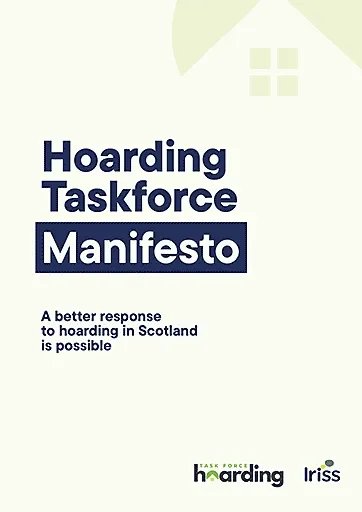
Scotland’s Hoarding Taskforce

A close-up of a glass of iced tea with a lemon wedge and a straw on a napkin, on a bar or restaurant table with blurred background.

MODULE:
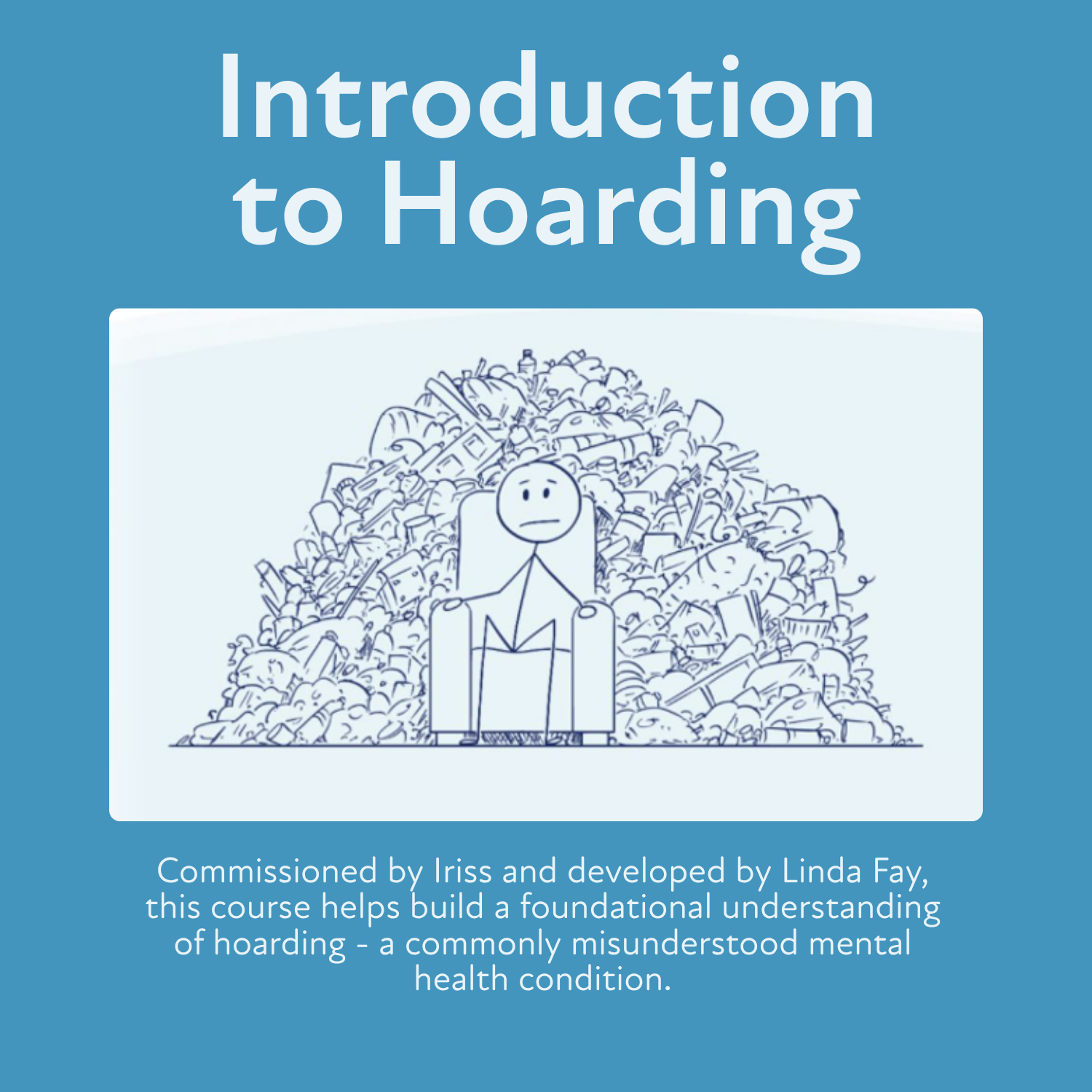
Introduction to hoarding disorder

Book titled 'A Pragmatic Approach to Chronic Disorganisation and Hoarding' by Linda Fay on a white surface, accompanied by a pen, a notepad, and dried yellow flowers.
A black magnifying glass with a circular lens and handle resting on a white surface next to a silver laptop.

RESEARCH:
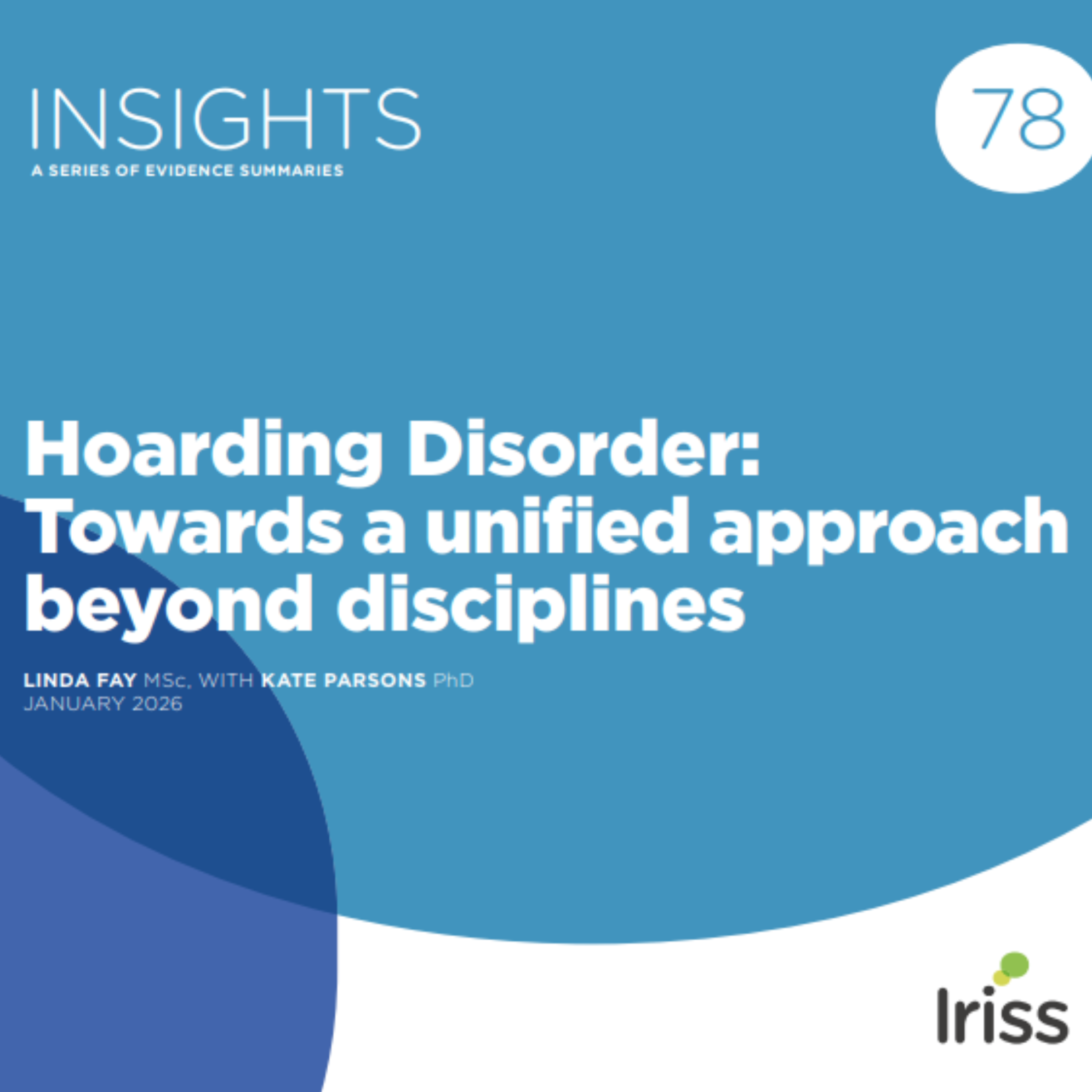
Hoarding Disorder - towards a unified approach

BOOK:
A Pragmatic Approach to Chronic Disorganisation and Hoarding - using the DESIRE Method